
Anxiety loves to ruin a perfectly good day. Tightness in your chest before a presentation. Racing thoughts imagining catastrophic outcomes. Sleep frustratingly out of reach. Sound familiar? If anxiety has you struggling, DBT for anxiety could be what you’ve been missing. DBT was designed to assist those who experience intense emotions like anxiety.
What Is DBT for Anxiety?
Dialectical behavior therapy started as a treatment for borderline personality disorder in the late 1980s. Therapists soon noticed its skills worked just as well for anxious minds. Today, dialectical behavior therapy for anxiety disorders is used nationwide. It treats the nervous system, not just the thoughts attached to it. Instead of only challenging worried thoughts, this approach teaches you to sit with discomfort without letting it take over. Logic alone rarely calms an anxious mind, so a body-based shift matters.
The four skill sets that comprise the model are mindfulness, distress tolerance, emotion regulation, and interpersonal effectiveness. One skill set addresses each stage of the anxiety cycle, from racing thoughts to body tension felt after an anxiety episode. Used together, they provide a more comprehensive set of tools than just labeling a worry and waiting for it to pass. People often find relief in the structure itself because anxiety loves ambiguity about what to do next.
DBT Techniques for Anxiety to Calm Your Body Fast
Some anxious moments call for a quick off-ramp instead of chatting it out slowly. There are DBT skills for anxiety like paced breathing, splashing cold water on your face, and brief chains of movement. All three disrupt and derail a panic cycle. These techniques work on a physiological level, speaking to your body before your mind understands what’s happening. Learning more about DBT therapy structures makes it easier to put these skills into daily practice. Once you know the sequence, you can use it almost anywhere, even a hallway before a big presentation.
None of these techniques require special equipment or a quiet room. A cold water bottle pressed to your wrist works almost anywhere. Even a short walk up a flight of stairs can shift your body out of a panic response within minutes. The goal is not to force calm immediately. It instead gives your nervous system a clear, calming signal.
Why DBT Therapy for Anxiety Works When Worry Will Not Quit
DBT does not seek to eliminate every trace of anxiety from your life. Rather, it allows you to develop a new relationship to those anxious feelings; one where they no longer have power over you. The distinction is more important than it may seem, considering how many Americans simply treat anxiety with prescription medication. While medication can help alleviate symptoms for a time, it does not typically teach your body what to do when the next wave of anxiety hits. It’s where lifelong skills come in.
Skills are what fill the void that medication can’t touch. DBT therapy for anxiety provides you with skills you will use along with your medication. DBT is meant to complement medication management as part of a comprehensive treatment approach, not replace it. Many people benefit from using both, along with other evidence-based behavioral therapies.

DBT Skills for Anxiety Management You Can Practice Today
Exploring anxiety treatment designed around DBT therapy can be beneficial when anxiety is running your life. Mindfulness teaches you to observe a racing thought without following it down the rabbit hole. Distress tolerance provides you with a plan for when anxiety bubbles up unexpectedly. Emotion regulation allows you to identify triggers before they gain steam. Learning skills regularly, for just a few minutes each day, usually becomes more effective than any one major aha session.
If anxiety has become part of your decision-making process, consider looking into therapy options that focus on treating anxiety with skills like these. Last but not least is interpersonal effectiveness. It plays a bigger role than most realize. Anxiety shows up a lot in our relationships. Whether that means avoiding a difficult conversation or apologizing when you don’t need to for having your needs met. Learning to ask for what you need clearly, without over-apologizing or explaining yourself out of existence, can reduce your overall anxiety in the long run.
What DBT for Anxiety Treatment Looks Like Session to Session
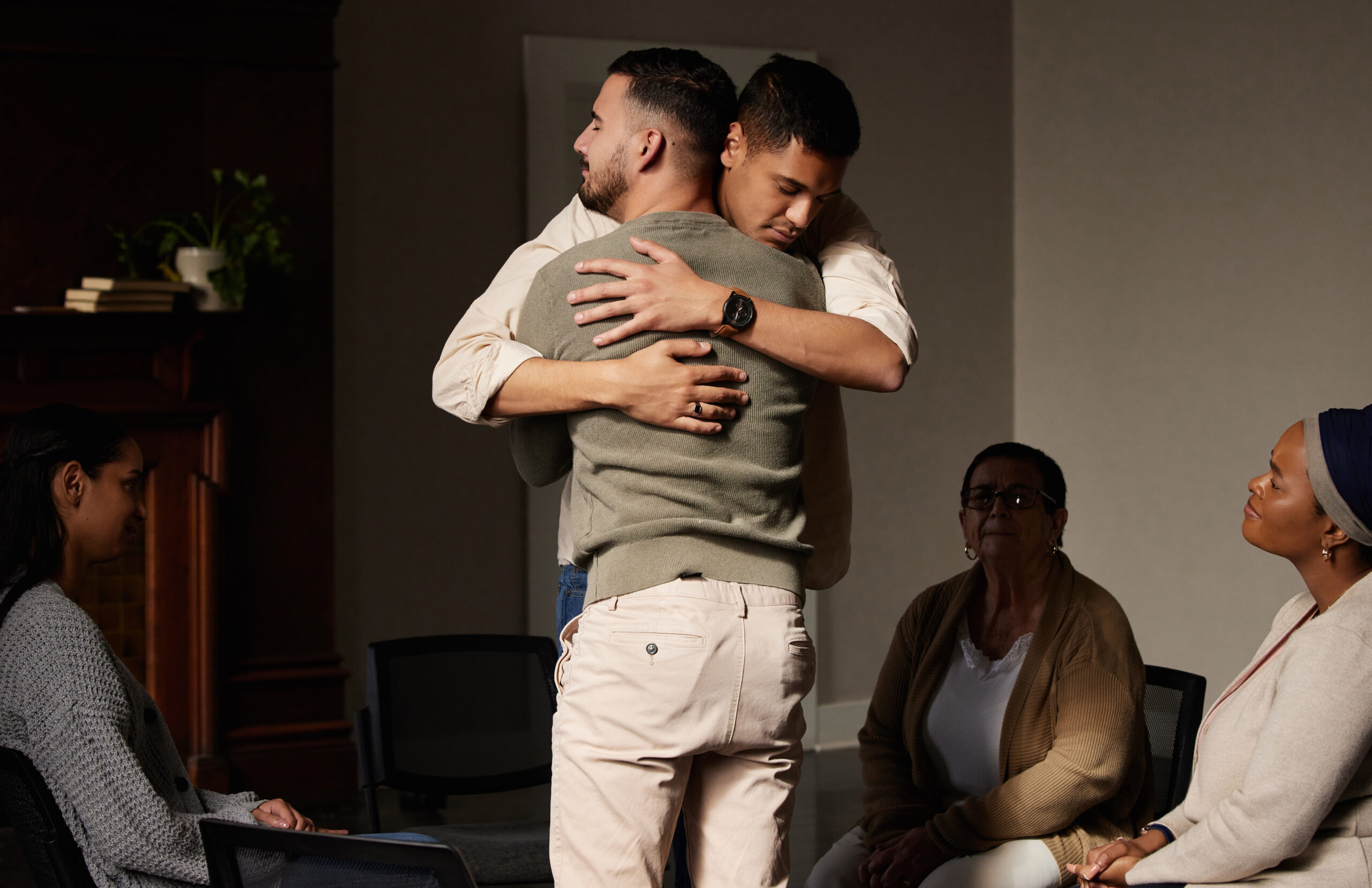
A typical week of DBT will include both individual sessions and group skills training sessions. Individual sessions will hone in on your personal triggers and apply the four skill areas to your current situation. Group sessions are more like a skills rehearsal, where you practice new skills with other people who are struggling. Many DBT programs also offer phone coaching in between sessions so that you can have support when you need it, not just during your sessions.
Talk therapy tends not to have this consistent back-and-forth rhythm. Some people will feel small changes in a few sessions. Others may spend months in therapy before things start to feel better. What is constant is using your skills when you’re not in session and not just talking about your anxiety during session.
Building Dialectical Behavior Therapy for Anxiety Disorders Into Daily Life
The skills only help if they show up outside the therapy room. Practicing during ordinary moments, not just crisis ones, is what makes them stick. Try noticing your breath while waiting in line, or naming an emotion out loud before it grows louder. A quick body scan during a stressful commute counts just as much as a formal mindfulness session. Small, repeated practice builds the kind of automatic response panic requires.
Over weeks and months, those small moments add up to a nervous system that recovers faster and dips less deeply. Progress rarely feels dramatic day to day, and this is normal. What matters most is the direction, not the pace. Anxiety loosens its grip a little more with every skill practiced.
Start DBT for Anxiety Today
Anxiety does not have to run your schedule, your relationships, or your sleep. Triony Behavioral Health in Nashville offers DBT for anxiety built around real skills, not quick fixes. Whether the help is for you or a loved one, reaching out is often the hardest step. It is also the one that changes everything afterward. Contact us today to talk with someone who understands what anxiety actually feels like.
FAQs About Anxiety and DBT
Anxiety questions rarely have simple answers, so here are a few worth understanding before you start.
Does DBT work for anxiety without a personality disorder diagnosis?
Yes. DBT skills target emotional overwhelm directly, which makes them useful for generalized anxiety, panic, and social anxiety alone.
Does DBT help when panic centers on physical fears, like a racing heart or fear of fainting?
Yes. DBT relies on body-based skills that calm the nervous system, helping even when the fear centers on physical sensations.
Can teenagers use DBT skills for anxiety, or is this approach only for adults?
DBT was adapted for teenagers and can help with anxiety in adolescence too. A provider can help match the right approach to age and needs.
What if group sessions feel too exposing for social anxiety?
Group formats are structured and skill-focused rather than open-ended sharing, which many socially anxious clients find easier than expected. Individual sessions can also come first.
Can DBT help with anxiety tied to a specific situation, like flying or public speaking?
Yes. Skills like paced breathing and opposite action work just as well for situational spikes as they do for ongoing, generalized worry.
Schedule consultation

Building a Foundation of Trust and Support
"In the midst of chaos, there is also opportunity." At the core of our services lies a deep commitment to creating a safe, supportive environment. We believe that a strong support system is crucial for healing and growth. Our team of compassionate professionals is dedicated to walking alongside you, offering guidance and understanding at every step of your journey.