
Panic attacks can cause sudden, intense fear accompanied by physical symptoms such as a racing heartbeat, chest tightness, sweating, dizziness, and difficulty breathing. Although men experience many of the same symptoms as women, they may express emotional distress through irritability, frustration, or withdrawal. Recognizing these signs can help men understand what they’re experiencing, seek appropriate support, and find effective treatment.
Panic attacks can happen unexpectedly, even when nothing immediately threatening is happening. For men who feel pressure to remain composed, manage responsibilities, or handle challenges independently, recognizing these experiences as anxiety-related can sometimes be difficult. Physical symptoms may feel more noticeable than the emotional distress behind them, making it easy to overlook what’s happening.
Recognizing the signs and understanding what causes panic attacks can help you make informed decisions about your mental health. With appropriate treatment and support, men can learn to manage symptoms, understand their triggers, and regain confidence in their everyday lives.
What Is a Panic Attack?
A panic attack is a sudden episode of intense fear or discomfort that triggers a strong physical and emotional response. It can happen during a stressful situation or without an obvious trigger. During an episode, your body’s fight-or-flight response activates, releasing stress hormones that prepare you to respond to perceived danger.
Panic attacks typically reach their peak within minutes, although some symptoms and feelings of distress may last longer. Experiencing a panic attack does not automatically mean you have panic disorder. Panic disorder involves recurring, unexpected panic attacks followed by ongoing worry about future episodes or changes in behavior intended to avoid another attack.
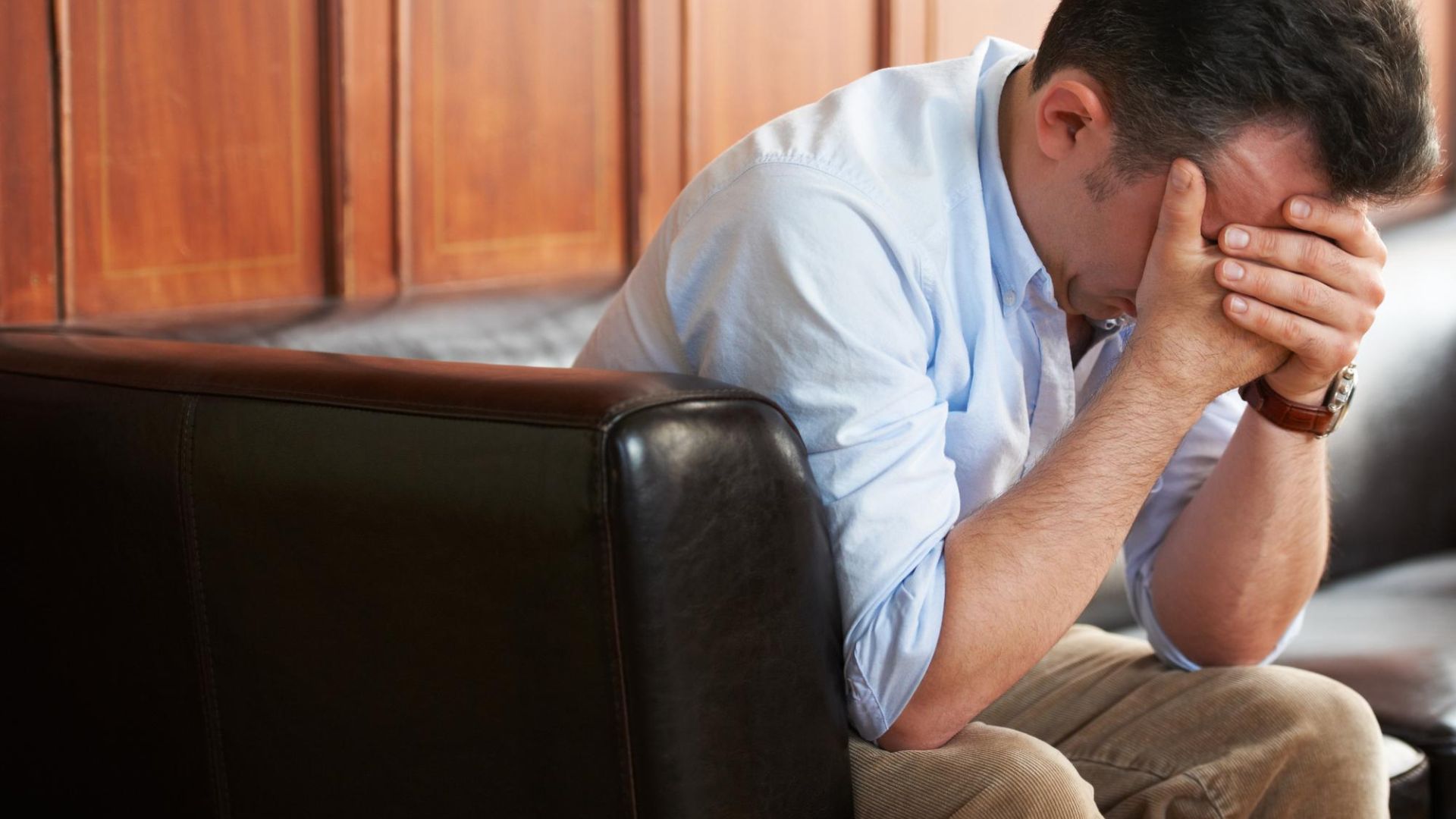
A lonely man sitting, showing signs of depression in men.
What Are the Common Panic Attack Symptoms in Men?
Panic attack symptoms in men can affect both physical and emotional well-being. Some men immediately recognize the intense fear associated with an episode, while others focus primarily on the physical sensations.
Common symptoms include:
- Racing heartbeat: Your heart may pound, beat faster than usual, or feel unusually noticeable.
- Chest tightness or discomfort: You may experience pressure or pain that makes breathing feel uncomfortable.
- Shortness of breath: Rapid breathing or the sensation that you cannot get enough air may occur.
- Excessive sweating: You may suddenly begin sweating, even when you’re not physically active.
- Trembling or shaking: Your hands, legs, or other parts of your body may shake.
- Dizziness or lightheadedness: You may feel faint or unsteady.
- Nausea or stomach discomfort: Panic can affect your digestive system, causing nausea or abdominal distress.
- Tingling or numbness: Some people experience pins-and-needles sensations in their hands, feet, or face.
Panic attacks can also cause intense emotional symptoms, including fear of losing control, a sense of impending danger, or the belief that something terrible is about to happen. These experiences can feel overwhelming, particularly when you don’t understand why they’re occurring. Because panic symptoms can resemble those of other medical conditions, new or severe physical symptoms should receive appropriate medical evaluation.
How Can Panic Attacks Present Differently in Men?
Panic attacks do not have a separate set of symptoms for men. However, social expectations, personal experiences, and individual coping patterns can influence how men recognize and respond to emotional distress. Some men may feel uncomfortable discussing fear, vulnerability, or ongoing anxiety. Instead of describing their emotional experiences, they may focus on physical discomfort or changes in their behavior.
For example, emotional distress may appear as:
- Irritability or frustration: Becoming easily annoyed, losing patience, or reacting more strongly to everyday challenges.
- Withdrawal: Avoiding social situations, spending more time alone, or distancing yourself from people you care about.
- Difficulty concentrating: Racing thoughts and persistent worry interfering with decision-making and everyday responsibilities.
- Increased risk-taking: Engaging in impulsive behaviors or unhealthy activities when struggling with emotional distress.
- Changes in substance use: Turning to alcohol or other substances to temporarily manage uncomfortable feelings.
These behaviors do not automatically indicate panic attacks or an anxiety disorder. However, when they occur alongside recurring physical symptoms or intense episodes of fear, they may signal a need for additional support. Recognizing these patterns can help men understand that seeking mental health treatment is a proactive step, not a sign of weakness.
What Can Trigger Panic Attacks in Men?
Panic attacks can develop for several reasons, and not everyone experiences the same triggers. Some episodes occur during stressful situations, while others happen unexpectedly.
Several factors may contribute to panic symptoms:
- Chronic stress: Ongoing pressure from work, finances, family responsibilities, or relationships.
- Traumatic experiences: Past trauma, accidents, abuse, or other overwhelming experiences.
- Major life changes: Divorce, job loss, financial uncertainty, or significant personal transitions.
- Health concerns: Certain medical conditions, medications, and physical symptoms can contribute to panic-like sensations.
- Caffeine and substance use: Stimulants, alcohol, and other substances may trigger or worsen symptoms in some individuals.
- Family history: Genetics and family history can influence the likelihood of developing anxiety-related conditions.
Sometimes, panic attacks occur without a recognizable trigger. You may be relaxing at home, driving, working, or even sleeping when symptoms begin. Identifying potential contributing factors can help you and a mental health professional determine an appropriate treatment approach.
How Can You Manage a Panic Attack When It Happens?
Experiencing a panic attack can feel overwhelming, but certain coping techniques may help you navigate the episode. Once a medical professional has evaluated physical symptoms, practicing these strategies can help you respond to anxiety more effectively.
Focus on Your Breathing
Panic can cause rapid, shallow breathing, which may intensify dizziness and physical discomfort. Try breathing gently through your nose and slowly exhaling without forcing deep breaths. Focusing on a comfortable breathing rhythm can help you regain a sense of control.
Use Grounding Techniques
Grounding exercises redirect your attention toward your surroundings instead of anxious thoughts. The 5-4-3-2-1 technique is one option: identify five things you see, four things you feel, three things you hear, two things you smell, and one thing you taste.
Recognize What You’re Experiencing
Reminding yourself that intense fear and physical sensations can occur during panic may help reduce additional distress. Once medical concerns have been addressed, recognizing the pattern can help you respond with greater awareness instead of immediately reacting to every sensation.
Identify Your Triggers
After an episode, consider what happened beforehand. Stressful situations, lack of sleep, caffeine, and ongoing personal concerns may contribute to your symptoms. Recognizing these patterns can help you make informed adjustments and discuss potential triggers with a mental health professional.
These strategies can support symptom management, but recurring panic attacks may require professional treatment to address their underlying causes.
How Are Panic Attacks in Men Treated?
Treatment for recurring panic attacks focuses on reducing symptoms, understanding triggers, and helping individuals respond to anxiety in healthier ways. The right approach depends on symptom severity, personal experiences, medical history, and whether another mental health condition contributes to the episodes.
At Triony Behavioral Health, we provide compassionate, individualized care designed to help individuals better understand their mental health and develop healthier coping strategies. Our treatment approach incorporates evidence-based therapeutic modalities, including:
- Cognitive Behavioral Therapy (CBT): Helps individuals recognize unhelpful thought patterns and develop healthier responses to anxiety.
- Dialectical Behavior Therapy (DBT): Builds emotional regulation, mindfulness, and distress tolerance skills.
- Acceptance and Commitment Therapy (ACT): Encourages psychological flexibility and healthier responses to difficult thoughts and emotions.
- Somatic Experiencing (SE): Explores the relationship between physical sensations, stress, and the body’s responses to overwhelming experiences.
Depending on individual needs, treatment may also include medication management through a qualified healthcare provider and lifestyle adjustments such as consistent sleep, regular physical activity, balanced nutrition, and reduced caffeine intake.
Triony offers several levels of outpatient care, including Partial Hospitalization Programs (PHP), Intensive Outpatient Programs (IOP), and traditional outpatient services. Telehealth options may also provide additional flexibility depending on individual treatment needs and program availability.
We recognize that everyone’s mental health experience is different. Whether you’re experiencing recurring panic attacks, ongoing anxiety, or difficulty managing everyday stress, our team is here to help you take meaningful steps toward improved emotional wellness. Individuals interested in exploring the men’s program can also find information about available treatment resources.

Take the Next Step Toward Managing Panic Attacks
Panic attacks can make you feel like you’re losing control, especially when physical symptoms appear without warning. However, these experiences are treatable, and you don’t have to manage them on your own. Recognizing the signs and understanding your treatment options can help you take an active role in your mental health.
At Triony Behavioral Health, we believe everyone deserves compassionate, personalized support. If anxiety or recurring panic symptoms interfere with your everyday life, our team is here to help you explore treatment options that align with your needs and goals.
Contact Triony Behavioral Health to take the next step toward improved mental health and emotional wellness.
Frequently Asked Questions About Panic Attacks in Men
What are the first signs of a panic attack in men?
Early signs may include a racing heartbeat, sweating, chest tightness, rapid breathing, dizziness, and a sudden feeling of fear. Some individuals also notice restlessness, trembling, or a sense that something bad is about to happen. Symptoms can develop quickly, sometimes without an obvious trigger.
How long do panic attacks usually last?
Panic attacks typically reach their peak within minutes, although the overall experience can last longer. Some people continue to experience fatigue, nervousness, or lingering discomfort after the most intense symptoms have passed.
Can men have panic attacks without feeling anxious?
Yes. Some men primarily notice physical symptoms, such as chest discomfort, sweating, or a racing heart, without immediately recognizing the emotional distress behind them. Panic attacks can also occur unexpectedly, even when someone does not consciously feel stressed.
Can panic attacks happen during sleep?
Yes. Nocturnal panic attacks can wake someone from sleep with sudden fear, a racing heartbeat, sweating, or difficulty breathing. Recurring nighttime symptoms deserve medical and mental health evaluation.
What is the difference between a panic attack and an anxiety attack?
A panic attack is a sudden episode of intense fear or discomfort that often includes strong physical symptoms. The phrase anxiety attack is commonly used to describe periods of intense anxiety, but it is not a formal clinical diagnosis. Anxiety can build gradually in response to stress, while panic attacks often involve a more sudden surge of symptoms.
Can panic attacks go away without treatment?
Some people experience occasional panic attacks that do not develop into an ongoing condition. However, recurring episodes, persistent fear of future attacks, or avoidance of everyday activities may indicate a need for professional support. Treatment can help individuals manage symptoms and reduce the impact of panic on daily life.
When should men seek professional help for panic attacks?
Consider professional support when panic attacks recur, interfere with work or relationships, disrupt sleep, or cause you to avoid everyday activities. You should also seek medical evaluation for new or unexplained physical symptoms, especially chest pain or difficulty breathing.
Does Triony Behavioral Health provide treatment for anxiety and panic symptoms?
Triony Behavioral Health offers individualized mental health treatment for anxiety and related concerns. Services include PHP, IOP, and traditional outpatient care, with therapeutic approaches such as CBT, DBT, and ACT. Treatment recommendations depend on each individual’s symptoms, needs, and clinical assessment.
Schedule consultation

Building a Foundation of Trust and Support
"In the midst of chaos, there is also opportunity." At the core of our services lies a deep commitment to creating a safe, supportive environment. We believe that a strong support system is crucial for healing and growth. Our team of compassionate professionals is dedicated to walking alongside you, offering guidance and understanding at every step of your journey.